
It’s been a quiet year for me on The Internet. I’ve posted less than once a month on this blog. Less than once a month on LinkedIn, the only social media site I use. I’m shedding email addresses, instead of accumulating them.
The truth is I’ve been low, mentally – but the personal digital degrowth has helped. In place of digital engagement, I’ve been trying to cultivate material habits and embodied connections. Going to Dublin in June was so brief, but so huge as a part of this effort. I’m claiming that all the drawing, collaging, papercraft and weaving* that I’ve been doing was/is not procrastination from thesis writing, but part of the process of relearning to exist, productively or not, in the non-digital world.
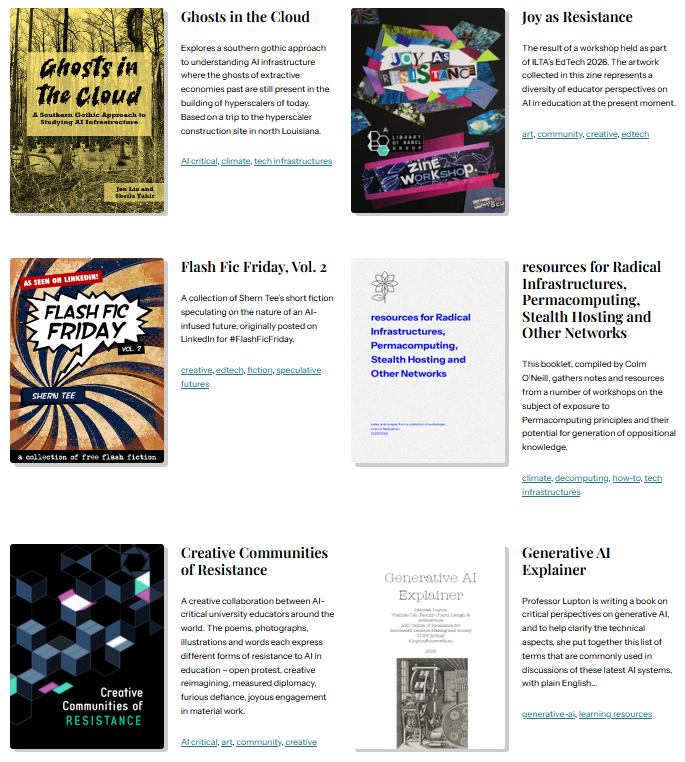
One of these material practices has sat assertively across digital and physical space: I started a critical tech zine library.
It’s small so far, and it includes zines I’ve made, zines I’ve been featured in, zines I had nothing to do with but loved and begged their creators to let me put on my digital shelf. Each zine is a short booklet that can be viewed onscreen or printed, folded and stapled for an analogue reading experience.
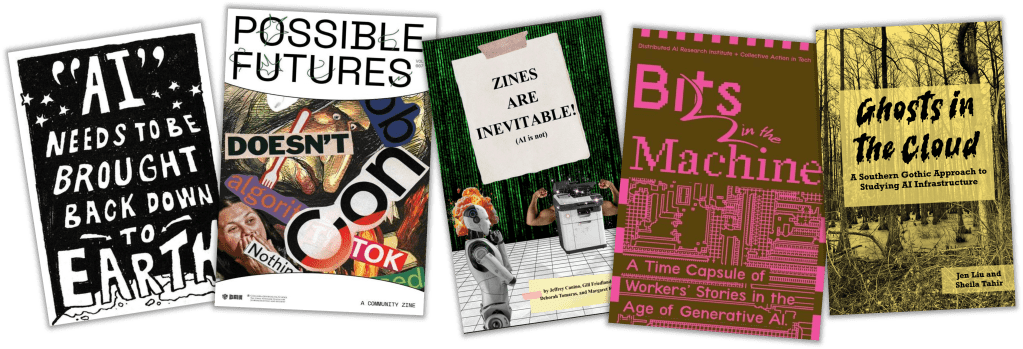
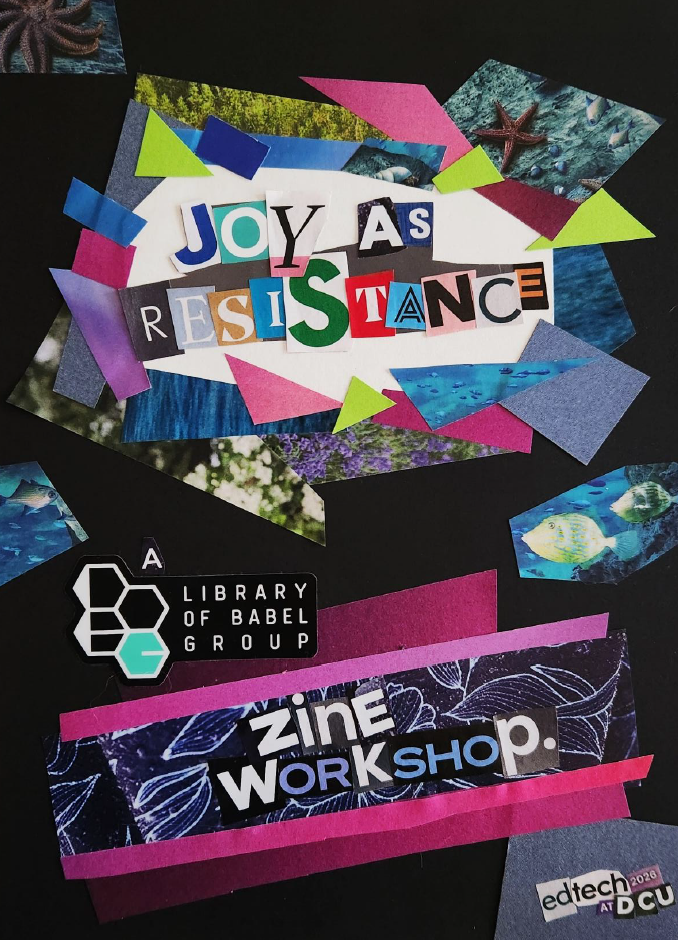
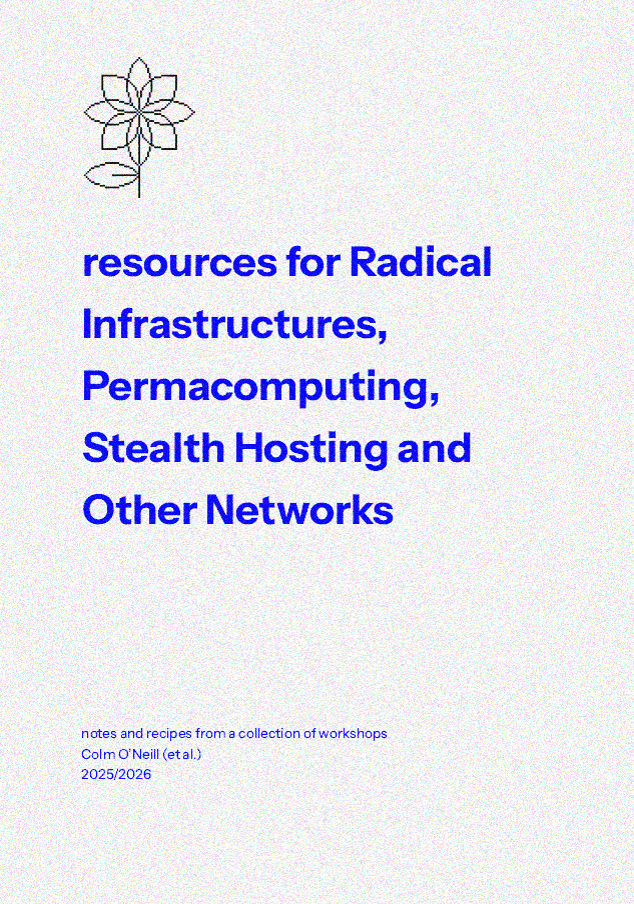
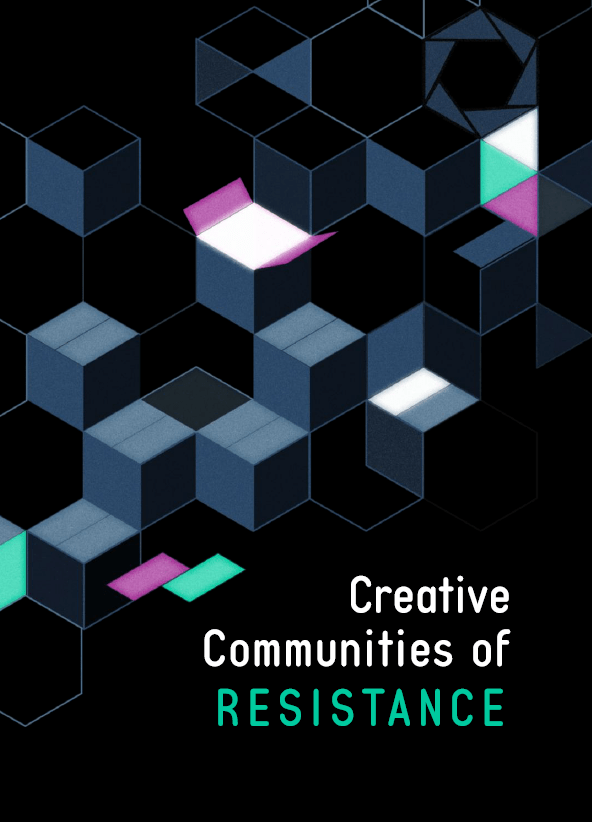
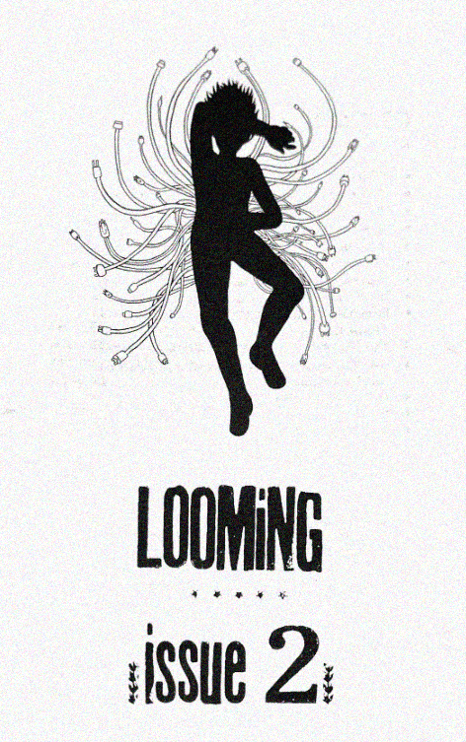
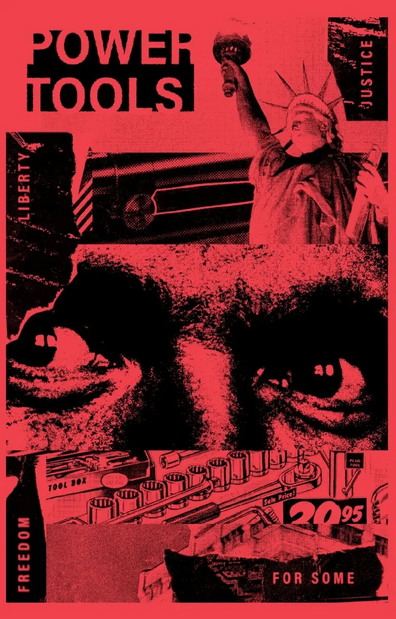
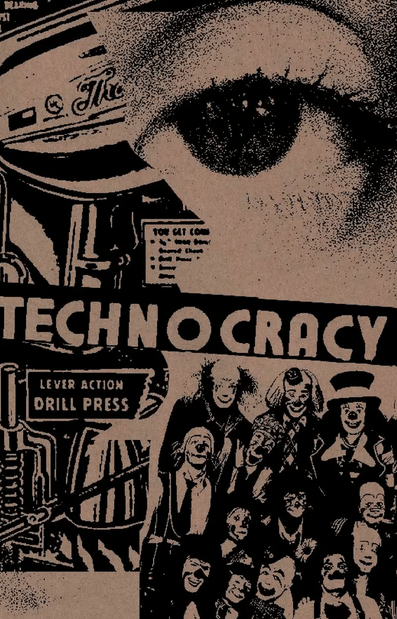
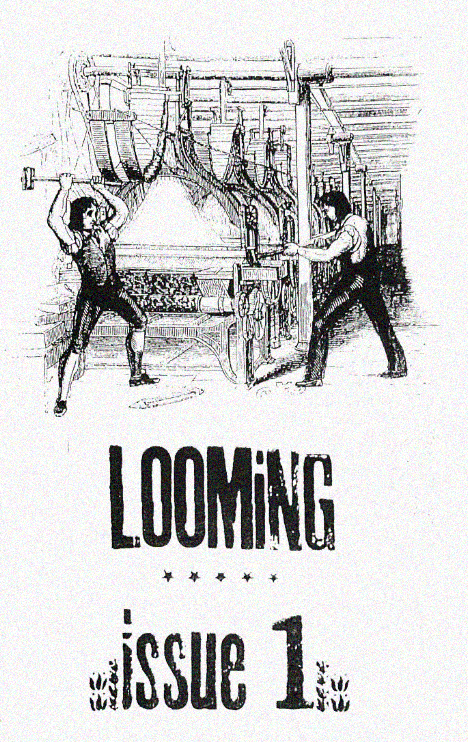
First, some of the zines you can find on my shelf: fiction, art, ethnography, DIY tech-niques, political commentary. The creators so far are variously based across Australia, the EU and US, and they all have their own interests and motivations for the work they’ve created here. A huge inspirational shoutout to Bart Fish and his Power Tools zines, Kathryn Conrad’s LOOMING series, and the gorgeous standalone pieces created by so many unique minds. Please explore. Please take. Please connect with the creators, if you vibe with their work – they are all beautiful people.
So… what are zines?
Zines are – basically – self-published booklets, typically made of paper, printed in small batches copied from a hand-crafted original. They can be about anything, but the term originally emerged from science fiction fan culture in the early 20th century.
Like “blog” is to “weblog”, “zine” is really a shortening of “fanzine”, a word coined in 1940 by the American chess champion Russ Chauvenet to distinguish these homebrew booklets from their professional, commercial, “magazine” counterparts.
Although they really can be about anything, zines are inherently political. Why? Because they are self-published. Because they are non-commercial. Because they are created for passion, meaning and connection between people who want to hear and be heard by each other. So, zines were huge in the punk scene of the ‘70s. They were huge in third-wave feminist and queer communities in the ‘90s. Before the word “zine” was even around, Black artists were making them in 1920s Harlem.

Zines were spaces where marginalised people could find each other, say and hear the things that weren’t being said in commercial media. You didn’t have to be a polished designer or a professional writer. Actually, the zine aesthetic kind of deliberately sabotages this. Wonky photocopies of mangled cutouts – better to aim for passion, not polish.
Now, we’re seeing more and more AI-critical thinkers making and distributing zines. I initially thought they were making a resurgence, but they never actually went away. They’re kind of like the little shop that you can only find if it wants to be found.
Scrappy, self-published, non-commercial. Zines exist not because they benefit their creators, but because people care.
So… why zines?
“There is something about modeling a deep self-reflection, a strong desire for real emotion and real honest closeness, that helps people to do this in their lives – counterbalances the messages that tell them to stay shallow and safe.“
Cindy Crabb, author of the Doris zine
* Yes, my Luddite comrades, I got myself a loom. More on that story later…





 The Mind File
Leave a comment